Reality Television Program to Showcase Contestants Residing Within a Fallout Vault Setting
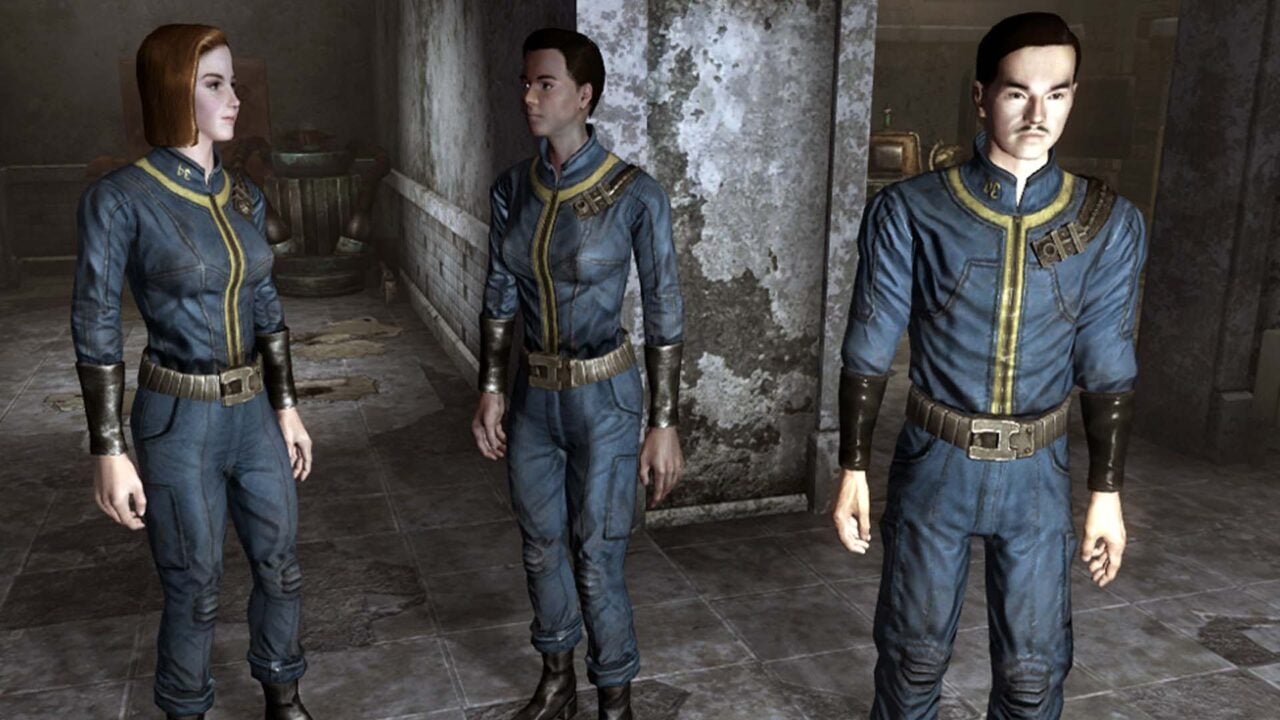
Amazon’s live-action *Fallout* series, now in its second season, has attracted considerable attention and acclaim. In a calculated effort to build on this success, Amazon is broadening the *Fallout* franchise by creating a reality show set in its legendary environment. The program, tentatively named “Fallout Shelter,” is actively looking for contestants via a specialized casting website.
Although a teaser trailer has yet to be unveiled, the casting site has generated excitement among fans and aspiring participants. The site prominently features an invitation asking individuals if they have what it takes to vie for a significant cash award. Contestants will be situated in a simulated vault, reminiscent of the *Fallout* world, where they will encounter various challenges aimed at assessing their skills and qualities.
As outlined on the casting website, “Fallout Shelter” will require contestants, dubbed “dwellers,” to cohabit in a classified vault, engaging in activities that test the seven fundamental traits from the *Fallout* franchise: Strength, Perception, Endurance, Charisma, Intelligence, Agility, and Luck (collectively referred to as S.P.E.C.I.A.L). Beyond these physical and mental contests, the show is set to explore themes of loyalty and alliances, creating an engaging atmosphere driven by power dynamics, popularity, and social tactics.
Potential contestants are urged to provide their individual S.P.E.C.I.A.L. statistics through a series of inquiries that assess their perceived intelligence and agility, among other attributes. This distinctive method allows participants to not only connect with the lore of the *Fallout* series but also inject their personalities into the competitive arena of the show.
Critics have conjectured that Amazon might be aiming to establish a reality series similar to *Big Brother*, using *Fallout* to captivate a targeted demographic of gamers. The idea of intertwining reality television with a cherished game franchise has sparked both intrigue and division among fans.
As enthusiasm continues to rise, many are eagerly anticipating the eventual launch of “Fallout Shelter,” curious to see how the show will weave in elements from the *Fallout* video games while offering an engaging competition format. However, it is important to mention that the title “Fallout Shelter” already exists within the gaming community, which may lead producers to rethink the name before the show’s premiere.